
Spice Ingredient Specification
Chilli Powder Grades for Food Manufacturers: Color, SHU, Mesh and Bulk Packing
GuojuFoods supports seasoning factories, sauce manufacturers, snack brands, instant food producers and importers that need to compare chilli powder grades for food manufacturers before confirming bulk orders.
This article focuses on grade, SHU, mesh and bulk packing decisions. It is different from the main Chili Powder product page and should link buyers back to the product page for quotation.
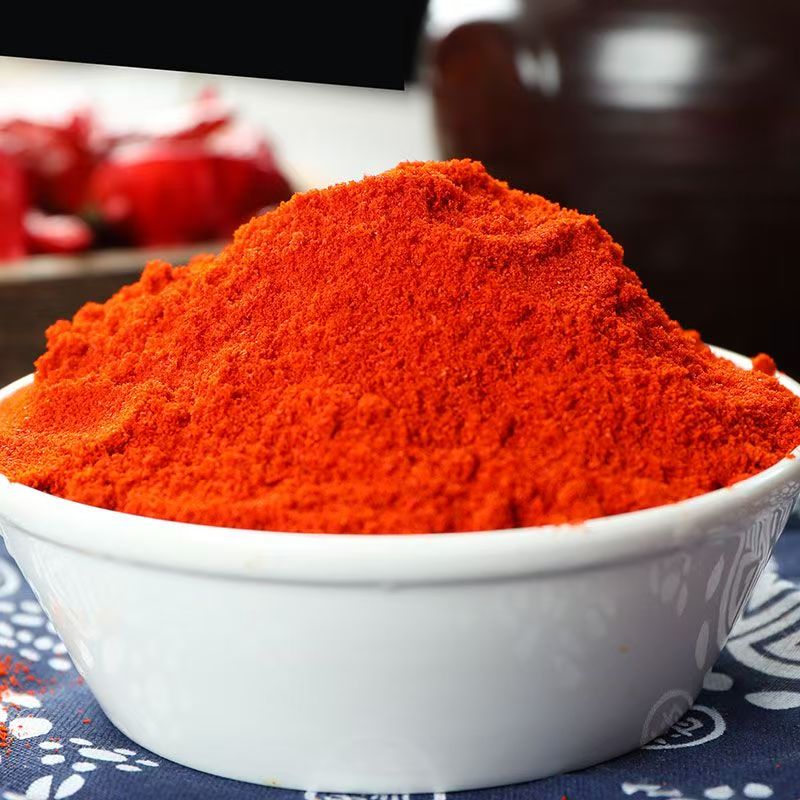
Why Chilli Powder Grades for Food Manufacturers Need Clear Specifications
Food manufacturers rarely buy chilli powder based on a product name alone. A snack seasoning factory may focus on red color, dusting behavior and clean flavor. A sauce factory may care more about heat level and dispersion. An instant noodle seasoning producer may need stable aroma, fine mesh and export-ready bulk packing.
The same supplier quote can look attractive or unsuitable depending on how the buyer defines grade. A practical sourcing request should describe the target application, expected color, heat level in SHU or reference sample, mesh range, packing format, destination market and document needs.
Seasoning Factories
Review color strength, aroma, flowability and mesh size for dry seasoning blends, spice mixes and instant noodle seasoning sachets.
Sauce and Condiment Plants
Confirm heat level, color release, particle size and whether the powder performs well in paste, sauce or marinade systems.
Importers and Distributors
Compare grade language, sample consistency, bulk packing, label requirements and available quality documents before shipment.
Color, SHU and Mesh: The Three Core Buying Points
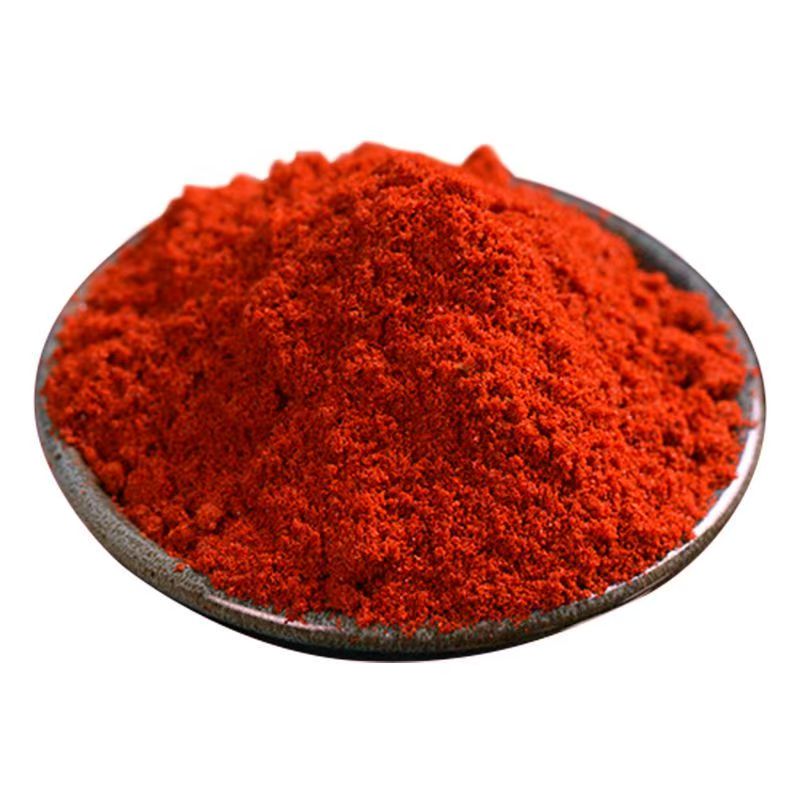
When buyers ask for Grade 2 or Grade 3 chilli powder, they often mean a target balance of color, pungency and cost. These terms can vary by buyer, market and supplier, so GuojuFoods recommends confirming measurable requirements instead of relying only on grade names.
A food factory can prepare a reference sample, target application and acceptable specification range. This helps the supplier recommend a suitable chilli powder option and reduces repeated quotation rounds.
On mobile devices, swipe the table horizontally to review all fields.
| Specification Point | What Buyers Should Confirm | Why It Affects Procurement |
|---|---|---|
| Color | Natural red tone, brightness, visual grade or reference sample. | Color affects finished seasoning, sauce, snack coating and shelf presentation. |
| SHU or Heat Level | Target heat level, pungency preference or application reference. | Factories need repeatable spicy impact across batches and finished products. |
| Mesh Size | Requested mesh range, powder fineness or dispersion requirement. | Mesh affects blending, mouthfeel, dusting, flowability and sauce texture. |
| Quality Documents | COA, test report, certificate request or destination-market document checklist. | Importers and food factories need documentation before approval and repeat orders. |
How to Compare Grade 2, Grade 3 and Custom Chilli Powder
Grade names are convenient in emails, but they should not replace the buyer specification. In some markets, Grade 2 may mean stronger color, cleaner appearance or a specific price level. In another buyer’s system, Grade 3 may refer to a different balance of color, heat and particle size.
Before asking for a quote, buyers should explain what the grade must do in the final product. A seasoning blend may need color and aroma. A sauce product may need heat and dispersion. A snack coating may need powder flow and adhesion behavior.
| Buyer Phrase | Better Sourcing Question | Information to Send |
|---|---|---|
| Grade 2 chilli powder | Which color, heat level and mesh do you require? | Reference sample, target product, grade label, annual usage and market. |
| Grade 3 chilli powder | Is the priority cost, heat, color or blending performance? | Expected price range, application, packing size and approval process. |
| Customized chilli powder | Which specification items need adjustment? | Mesh, SHU, color preference, moisture concern, document list and order quantity. |
Raw Material Form and Processing Route
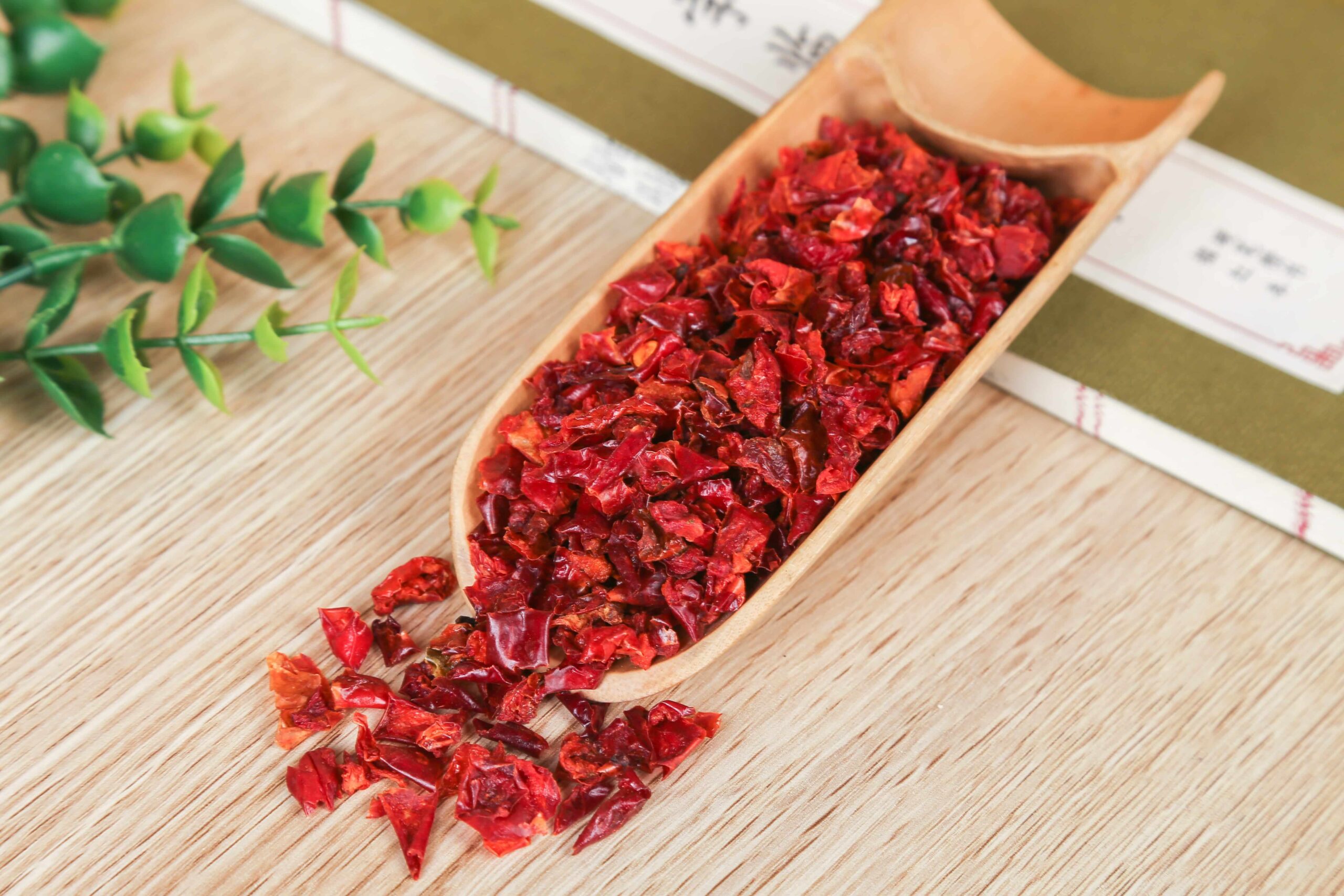
Some buyers source chilli powder directly, while others review dehydrated red chili in whole, crushed or powder form. If the factory needs a specific flavor profile, heat level or particle size, it can be useful to discuss the raw material form and grinding requirement before confirming the order.
For a new project, GuojuFoods can help buyers review whether the request should be handled as a chilli powder order, a crushed chili order, or a broader dehydrated red chili sourcing request.
Applications for Chilli Powder in Food Manufacturing
The correct chilli powder grade depends on the final application. A buyer making dry seasoning has different concerns from a sauce factory or instant noodle manufacturer. The more specific the application, the easier it is to recommend the right sample.
Seasoning Blends
Review color, aroma, mesh uniformity and mixing behavior with salt, garlic, onion or other seasonings.
Snack Flavoring
Snack brands may need powder that coats evenly, shows an attractive red tone and delivers the desired heat level.
Sauces and Condiments
Sauce plants should test dispersion, color release, heat level and finished texture before confirming a commercial specification.
Instant Noodles and Soups
Instant food producers can review chilli powder for seasoning sachets, soup bases and spicy flavor systems.
Bulk Packing, MOQ and Sample Approval
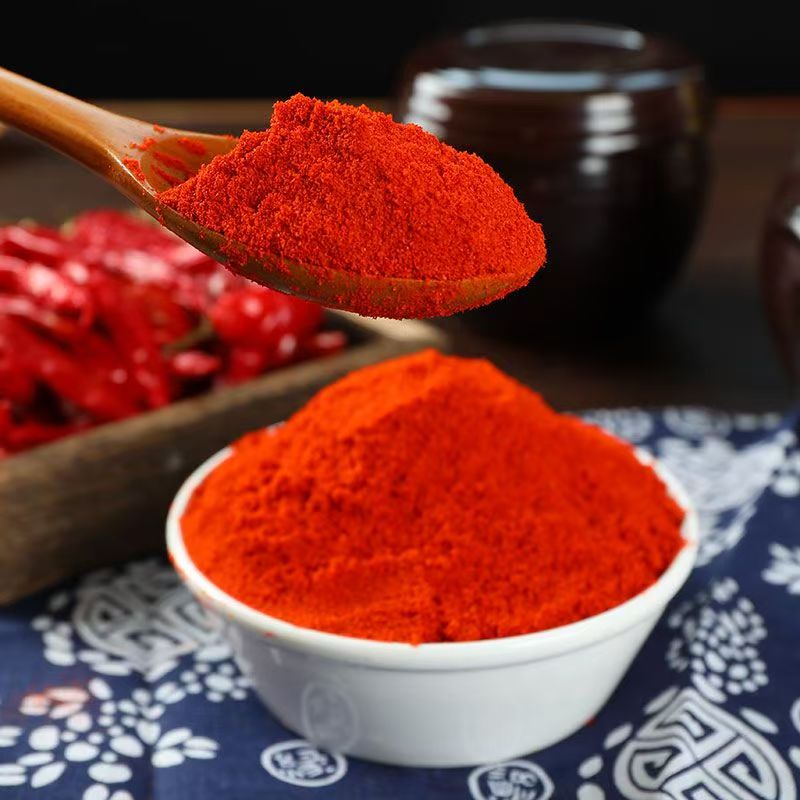
Bulk chilli powder orders should be reviewed according to grade, packing method, label needs, destination market and shipment plan. MOQ and lead time should be confirmed with the supplier after the buyer provides the required grade, mesh, heat level, packing and quantity.
For sample approval, buyers should test the powder in the actual production formula. A color or aroma evaluation on a desk sample is useful, but it cannot replace application testing in seasoning, sauce, snack coating or instant food production.
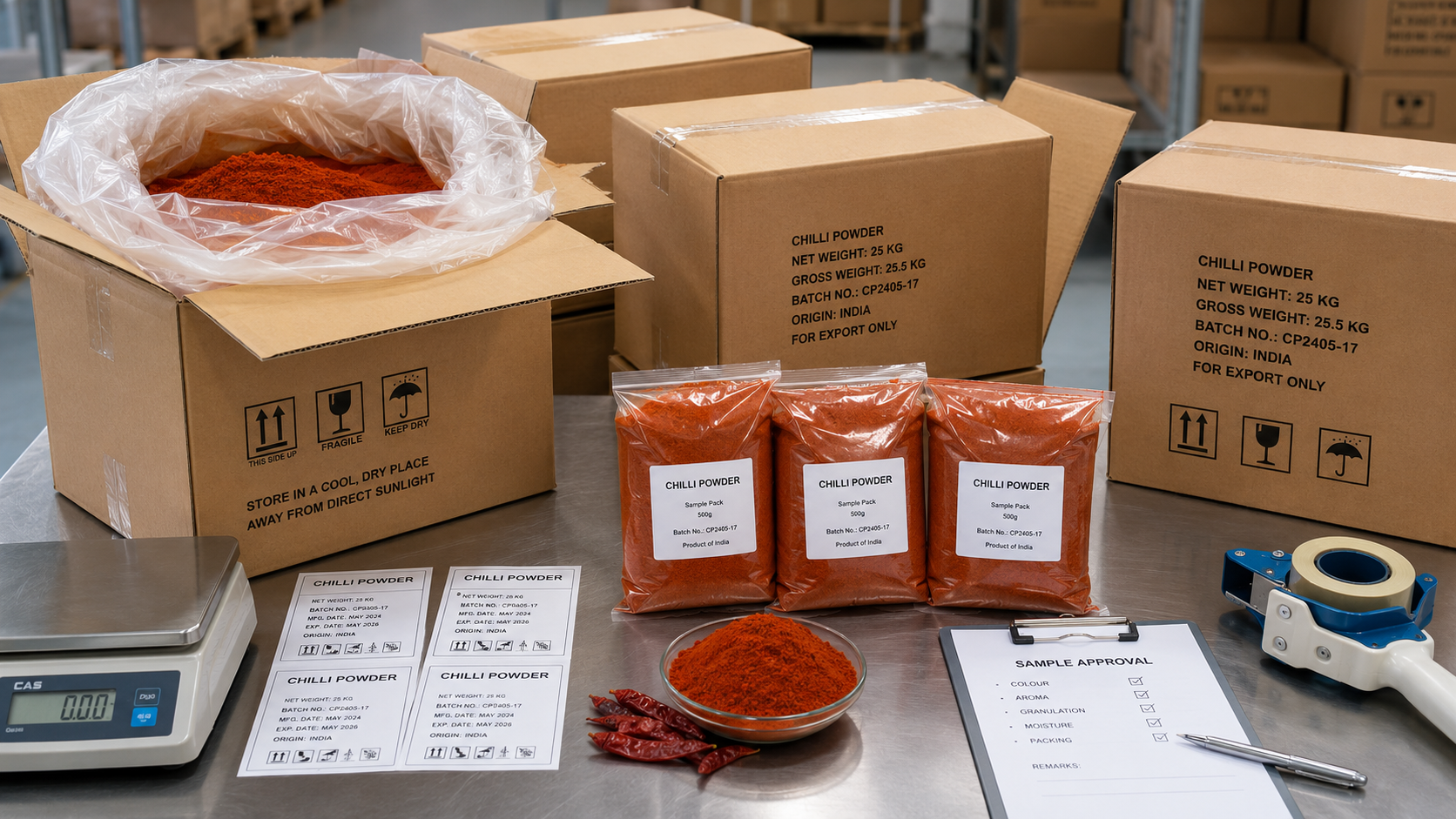
Quality Documents Buyers Should Confirm
Food manufacturers and importers should confirm document needs before quotation, especially when the product will be used in export food production or sold into regulated markets. The exact document package depends on the product, destination market, production batch and buyer requirements.
COA Review
Ask which items can be shown on the COA, such as moisture, microbiological indicators or other agreed test items.
Specification Sheet
Confirm product name, grade language, mesh range, appearance, storage condition, packing and application notes.
Destination Market Needs
Importers should provide the destination country and any required certificate or label review checklist before shipment planning.
Internal Links for Chilli Powder Buyers
Use these GuojuFoods pages to compare related products, specifications and purchasing support before sending a sourcing request.
FAQ for Chilli Powder Grades and Bulk Sourcing
What is the difference between chilli powder Grade 2 and Grade 3?
Grade labels can vary by buyer and market. Instead of relying only on the label, buyers should define the target color, SHU or heat level, mesh size, appearance, application and required documents.
Can GuojuFoods help review custom chilli powder grade requirements?
Yes. Buyers can send the target application, reference sample, expected color, heat level, mesh size, packing, quantity and destination market. GuojuFoods can review the request before quotation.
Which mesh size is suitable for seasoning factories?
The suitable mesh depends on the finished product. Dry seasoning blends, sauce bases, snack coatings and instant noodle seasoning may each require different powder fineness and flow behavior.
Should buyers request a sample before bulk chilli powder orders?
Yes. Sample testing helps confirm color, aroma, heat level, mesh performance and blending behavior in the buyer’s actual production formula.
What information should be included in a chilli powder inquiry?
A useful inquiry should include grade label, target application, expected color, heat level, mesh range, order quantity, packing method, destination country and required quality documents.
Can chilli powder be used in snacks, sauces and instant noodles?
Yes, chilli powder is commonly reviewed for snack flavoring, sauces, condiments, instant noodle seasoning, soup bases, marinades and ready meal production. The specification should match the application.
Can COA and export documents be reviewed before ordering?
Buyers should request available COA items and export document options before confirming an order. The final document package depends on the product, batch, destination market and buyer requirements.
Request Chilli Powder Grade, SHU and Mesh Review
Send your target grade, application, color requirement, SHU or heat preference, mesh size, packing method, order quantity, destination market and document checklist. GuojuFoods will help review the suitable chilli powder sourcing option before quotation and sample approval.