
Seasonality and Raw Material Supply of Dehydrated Vegetables (Buyer Guide)
Dehydrated vegetable quality and availability are closely linked to seasonal raw material supply. Specifically, seasonal variations in crop harvest affect moisture content, size, color, and processing performance. Consequently, these factors directly impact the overall product quality and supply stability for industrial manufacturers.
For this reason, food manufacturers and bulk buyers must understand seasonal patterns very carefully. By doing so, they can plan procurement effectively and reduce potential supply risks. Furthermore, a deep understanding of these cycles allows for better budgeting and inventory management throughout the year.
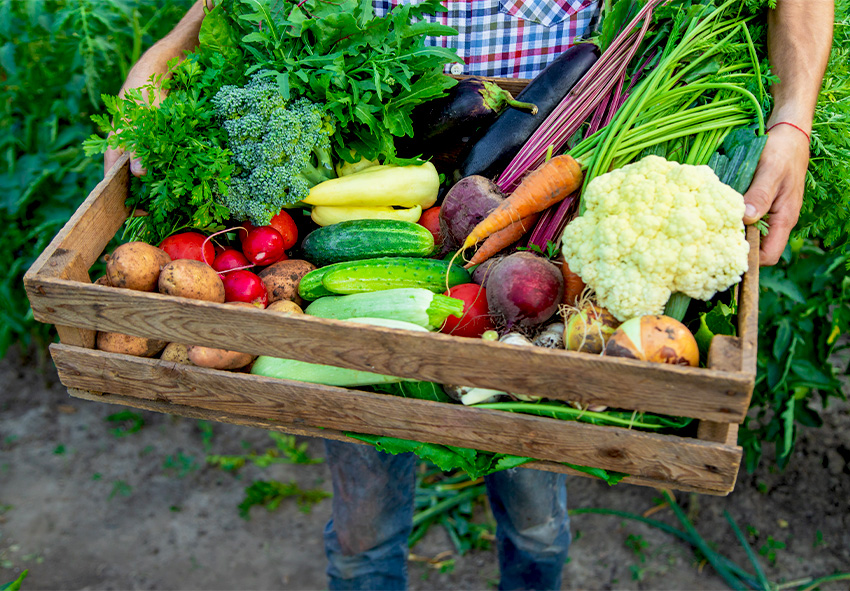
Why Seasonality Matters for Professional Buyers
Vegetables are harvested at specific times of the year due to biological and climatic conditions. Therefore, ignoring seasonality can lead to serious operational challenges. For instance, manufacturers may encounter the following issues:
- Quality Issues: Specifically, inconsistent product quality across different batches.
- Shortages: Furthermore, potential supply shortages during off-peak periods.
- Expenses: Consequently, significantly higher purchasing costs due to low availability.
Because dehydrated vegetables depend entirely on fresh raw material availability, proper long-term planning is essential for a stable supply chain.
Common Seasonal Patterns in Vegetable Production
Different vegetables have distinct harvest periods that buyers must track. Specifically, these common cycles include:
- Carrots: These are mainly harvested during the autumn season.
- Onions: Typically harvested in late summer and throughout autumn.
- Garlic: Specifically harvested during the summer months.
In addition to these examples, other vegetables follow similar strict cycles. Therefore, understanding these specific periods helps buyers plan bulk orders and effectively avoid off-season risks.
Impact on Product Quality and Industrial Processing
Seasonality affects several key physical and chemical factors of the raw materials. Specifically, these changes include variations in:
- Moisture: Natural moisture levels change depending on the harvest time.
- Consistency: Size and cutting consistency may vary between seasons.
- Color: Consequently, the color stability of the final product can be affected.
Because off-season raw materials may result in inconsistent quality, buyers often request fresh samples before placing large orders. Therefore, constant communication with your supplier is vital during these transitions.
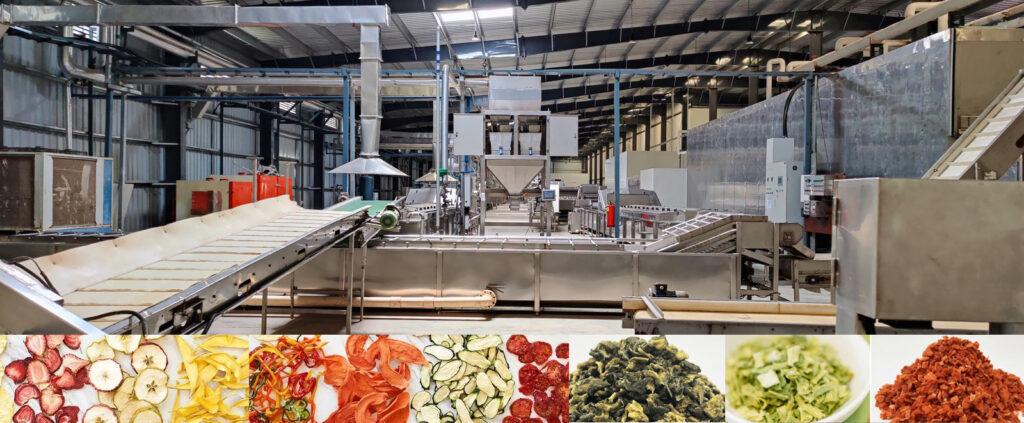
Strategic Procurement Planning Around Harvest Seasons
To ensure a steady and reliable supply, professional buyers should adopt a proactive approach. Specifically, we recommend the following strategies:
- Forecasting: Always forecast your demand by quarter in advance.
- Communication: Furthermore, communicate with your suppliers regarding harvest status.
- Scheduling: Consequently, confirm harvest and delivery schedules early.
Early planning allows suppliers to allocate the best raw materials for your needs. In addition, it ensures that your production lines remain operational without interruption.
How Reliable Suppliers Manage Seasonal Supply Volatility
Professional suppliers maintain a stable supply by implementing advanced management techniques. Specifically, they focus on:
- Partnerships: Establishing long-term, stable partnerships with local farmers.
- Inventory: Efficiently managing raw material inventory during peak harvest.
- Flexibility: Consequently, adjusting production schedules based on natural harvest cycles.
👉 Learn more about how to choose a reliable supplier here
Strategies for Handling Off-Season Procurement
When raw materials are not in their peak season, buyers can still maintain operations. Specifically, you can utilize the following methods:
- Storage: Use professionally stored or pre-processed raw materials.
- Frequency: Plan smaller and more frequent shipments to ensure freshness.
- Formulation: Consequently, adjust your product formulations if it becomes necessary.
Need Help with Your Seasonal Supply Planning?
At Công ty TNHH Thực phẩm Xanh Yunnan Guoju., we support our international customers with professional planning services. Specifically, we offer:
- Planning: Expert seasonal supply and procurement planning.
- Sourcing: Highly stable raw material sourcing from controlled farms.
- Scheduling: Furthermore, custom production scheduling tailored to your needs.
👉 Contact our team for a professional supply consultation
Conclusion
In summary, seasonality plays a critical role in the quality and supply of dehydrated vegetables. By understanding harvest cycles and working with experienced suppliers, buyers can ensure stable production. Consequently, this leads to more consistent product quality and a more efficient supply chain overall.
Frequently Asked Questions
Does seasonality significantly affect dehydrated vegetables?
Yes, it specifically affects the moisture content, size, and natural color of the final product.
How can buyers effectively avoid seasonal supply risks?
In general, you can avoid risks by planning ahead and working with reliable suppliers to confirm schedules.
Are dehydrated vegetables actually available year-round?
Yes, they are usually available, but the quality and pricing may vary depending specifically on the season.