
What Are Dehydrated Vegetables? Uses, Benefits & Applications Guide
Dehydrated vegetables are produced from fresh vegetables by removing their moisture content through specialized industrial drying processes. Specifically, these methods include hot-air drying, freeze-drying, or natural sun drying. As a result, the vegetables become lighter, easier to store, and much more stable in quality. Consequently, they are now widely utilized throughout the global food industry.
Common examples of dehydrated products include garlic, onion, carrot, bell pepper, and spinach. Furthermore, these essential ingredients are ideal for creating consistent vegetable blends for various industrial and retail applications. Therefore, understanding their benefits is crucial for any food business.

Main Uses of Dehydrated Vegetables

1. Food Manufacturing and Processing
In the world of large-scale production, food manufacturers utilize dehydrated vegetables as indispensable raw materials. For instance, they are frequently used in the following categories:
- Instant Foods: Specifically for instant noodles and dried pasta dishes.
- Ready Meals: Additionally for frozen dinners and ready-to-eat products.
- Soup Bases: Consequently for professional soups and dry seasoning packets.
- Snack Products: Moreover for healthy vegetable chips and flavoring blends.
2. Retail and Home Cooking
In addition to industrial use, many retail brands offer dehydrated vegetables directly to consumers for convenient home cooking. For example, customers often incorporate them into:
- Stews: Specifically for nutritious soups and slow-cooker recipes.
- Sauces: Additionally for pasta sauces and vegetable-based curries.
- Fillings: Consequently for savory dumpling and pastry preparations.
3. Hotels, Restaurants, and Catering (Horeca)
Commercial kitchens frequently use dehydrated vegetables to improve their operational speed and consistency. For example, they are a preferred choice for large-scale catering and central kitchens. Therefore, their use helps chefs ensure high dish quality while significantly reducing preparation time.
4. Outdoor, Emergency, and Long-Term Storage
Due to their durable nature and low weight, dehydrated vegetables are perfect for specialized long-term storage needs. Consequently, they are widely used in:
- Outdoor Gear: Specifically for military rations and camping supplies.
- Relief Work: Additionally for emergency disaster relief food kits.
- Survivalism: Moreover for long-term pantry and survivalist storage.
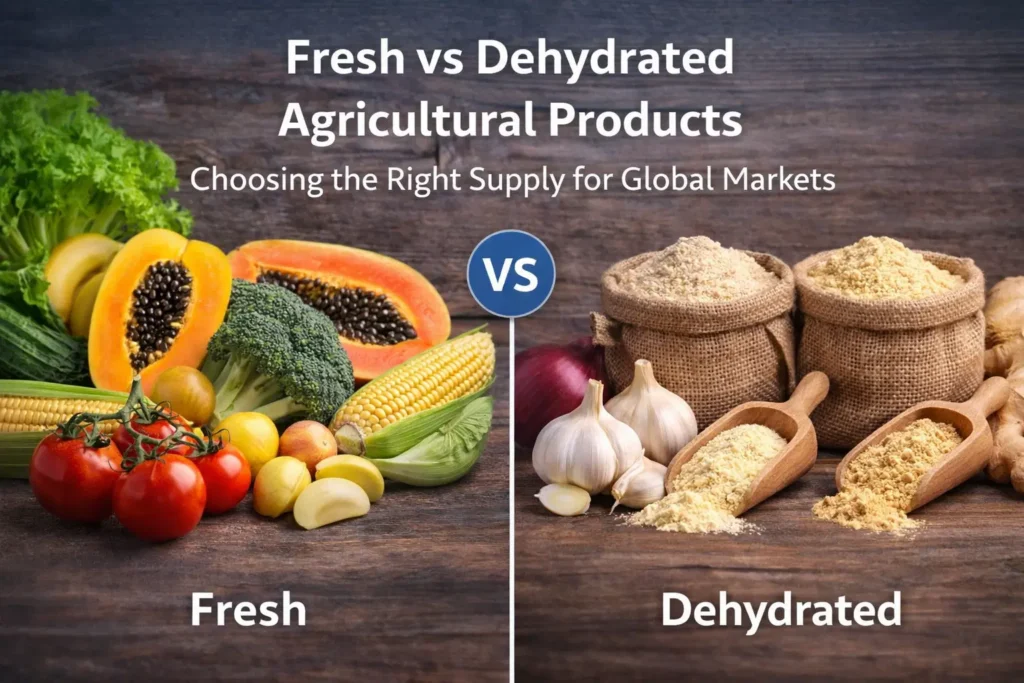
Dehydrated Vegetables vs. Fresh Vegetables
Compared with fresh alternatives, dehydrated vegetables provide several distinct strategic advantages for businesses. Specifically, these benefits include:
- Shelf Life: Significantly longer storage times without spoilage.
- Logistics: Lower transportation costs due to reduced weight.
- Efficiency: Optimized storage space within industrial warehouses.
- Stability: Consistent quality and availability throughout the entire year.
👉 Click here to learn more about the detailed comparison
Why Businesses Choose Dehydrated Vegetables
For food manufacturers and bulk buyers, dehydrated products provide a more flexible supply chain. Furthermore, they allow for a significant reduction in overall logistics expenses. Because they perform consistently in various industrial recipes, they have become a global standard for high-volume food production. Consequently, more businesses are switching to dehydrated options every year.
Looking for a Reliable Dehydrated Vegetable Supplier?
At Yunnan Guoju Green Food Co., Ltd., we are committed to supplying high-quality ingredients for your global business. Specifically, our export-grade products include:
- Alliums: Dehydrated garlic, onion, and green onion flakes.
- Roots: Premium dehydrated carrot and mixed vegetable blends.
- FD Products: Advanced freeze-dried fruits and vegetables.
In addition to quality, we provide stable bulk supply, customized