
Quality Standards & Certifications for Dehydrated Vegetables: HACCP, ISO 22000, BRC, COA Guide
This article serves as a comprehensive certification reference for QA managers and procurement teams. Specifically, we focus on certification frameworks and testing documentation. We will highlight what certifications matter and how to read a Certificate of Analysis. However, for physical parameters like moisture or mesh, please see our guide on dehydrated vegetable specifications.
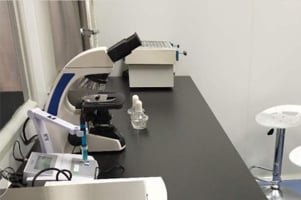
1. Why Certifications Matter More Than Marketing Claims
Any supplier can claim “premium quality” on a website. However, authentic certifications matter because they represent strict third-party verification. An external auditor physically inspects the production facility and reviews records. This confirms that the quality systems actually work as promised.
Furthermore, certifications act as mandatory entry tickets for regulated markets like the EU, Japan, and North America. Buyers need these documents for customer audits and customs clearance. Without them, you cannot secure supermarket vendor approvals.
Additionally, these credentials shift legal risk away from your company. If a buyer chooses an uncertified supplier, they carry the full legal burden during a contamination incident. In contrast, certified suppliers provide audit trails that distribute responsibility safely across the supply chain.
2. HACCP — The Baseline Food Safety System
HACCP identifies biological, chemical, and physical hazards at each production step. Consequently, it defines critical control points (CCPs) to eliminate these risks. For dehydrated vegetables, typical HACCP CCPs include:
- Raw material reception: Staff verify pesticide residues and check heavy metal limits.
- Washing and disinfection: Operators monitor chlorine concentration and contact time.
- Dehydration temperature: Experts validate pathogen reduction against time-temperature curves.
- Metal detection: This process removes any tramp metal caused by machinery wear.
- Final moisture: This test prevents microbial regrowth during storage.
Ultimately, HACCP is a vital baseline. Since almost every export-capable factory in China holds this certificate, a lack of it signals a major quality risk.
3. ISO 22000 — Integrated Food Safety Management
ISO 22000 offers a broader scope than HACCP. Specifically, it combines HACCP principles with ISO 9001-style management requirements. These include documented procedures, internal audits, and continuous improvement. As a result, suppliers demonstrate that food safety lives within their overall management system.
Industrial food manufacturers worldwide request ISO 22000 more than any other standard. Over 100 countries currently recognize this framework as a mark of quality and safety.
4. BRC / BRCGS — The European Retail Standard
European retailers and private-label brands demand the BRC Global Standard (now BRCGS). For instance, if you sell to Tesco, Carrefour, or Aldi, you must have BRC certification. It remains a core requirement for vendor approval in the UK and EU markets.
Moreover, BRC is more rigorous than HACCP or ISO 22000 alone. It features unannounced factory audits and enforces strict performance grades. Furthermore, it mandates better allergen management and foreign body controls.
5. FSSC 22000 — GFSI Recognition Standard
FSSC 22000 combines ISO 22000 with sector-specific programs. Most importantly, the Global Food Safety Initiative (GFSI) fully recognizes it. Because of this, major brands like Nestlé and Unilever accept it as equivalent to BRC. Therefore, FSSC 22000 serves as a strategic asset for ingredient suppliers.
6. Halal and Kosher Certifications
Religious certifications open up profitable market segments. For example, Halal certification is mandatory for markets like Indonesia, Saudi Arabia, and the UAE. Similarly, Kosher standards apply to Jewish-observant consumer markets in the US and Europe.
Naturally, dehydrated vegetables contain zero animal ingredients. Even so, these certificates prove that the facility prevents cross-contamination with prohibited substances. This verification ensures your products meet all religious dietary laws.
7. How to Read a Certificate of Analysis (COA)
A Certificate of Analysis (COA) provides the per-batch quality record for every shipment. Buyers should never accept a shipment without this document. A complete COA for dehydrated vegetables always includes:
- Batch number: This must match the packing list to enable fast traceability.
- Dates: Verify the production and best-before dates to check remaining shelf life.
- Microbiological results: This confirms negative results for E. coli and Salmonella.
- Heavy metals: This proves the batch meets EU 2023/915 or GB 2762 limits.
- Pesticide residues: This confirms compliance with the destination country’s MRLs.
- SO₂: This field should read “not detected” for sulfur-free products.
Reputable factories provide third-party verification COAs from accredited labs upon request. If a COA misses these parameters, you should immediately ask for the full report.
8. Third-Party Testing Laboratories
Smart buyers commission third-party testing from independent labs. Several leading accredited labs serve the China export market today. SGS represents the gold standard for EU shipments, while Intertek excels in North American compliance. Bureau Veritas offers strong support for European audits, and Eurofins specializes in pesticide testing.
Additionally, CTI (Centre Testing International) provides a faster turnaround at a lower cost. Generally, testing costs run between USD 200 and 500 per batch. For first-time orders, this small investment protects your brand reputation.
9. Regional Compliance Requirements
Each global market enforces its own regulatory framework. Therefore, buyers must verify that suppliers follow destination market laws. For the EU, you must check Regulation 2023/915 regarding heavy metals. In Japan, the “Positive List System” enforces very strict pesticide limits.
Furthermore, the US FDA requires Foreign Supplier Verification Program (FSVP) compliance. Markets in the Middle East, such as Saudi Arabia, require SFDA registration. Meanwhile, Egypt increasingly demands NFSA approval for processed food imports.
10. Traceability and Batch Control
Modern laws require end-to-end traceability. This means you can track a finished product back to its farm of origin. Certified suppliers maintain raw material lot numbers and production batch records. They also conduct mock recalls at least annually to test their systems.
Ultimately, traceability matters most during a recall. Strong systems determine whether you recall one batch or your entire inventory. Therefore, maintaining records for at least two years is a standard industry practice.
11. Documents to Request Before Every Order
To avoid customs delays, you need a complete document package. This includes the COA, Certificate of Origin, and a Health Certificate. You should also request copies of HACCP or BRC certificates. Finally, ensure your packing list batch numbers match the COA perfectly.
Missing documents can hold up a shipment for weeks. Consequently, this generates expensive demurrage fees at the port. Always confirm the paperwork before the supplier ships the goods.
12. How GuoJu Foods Manages Quality
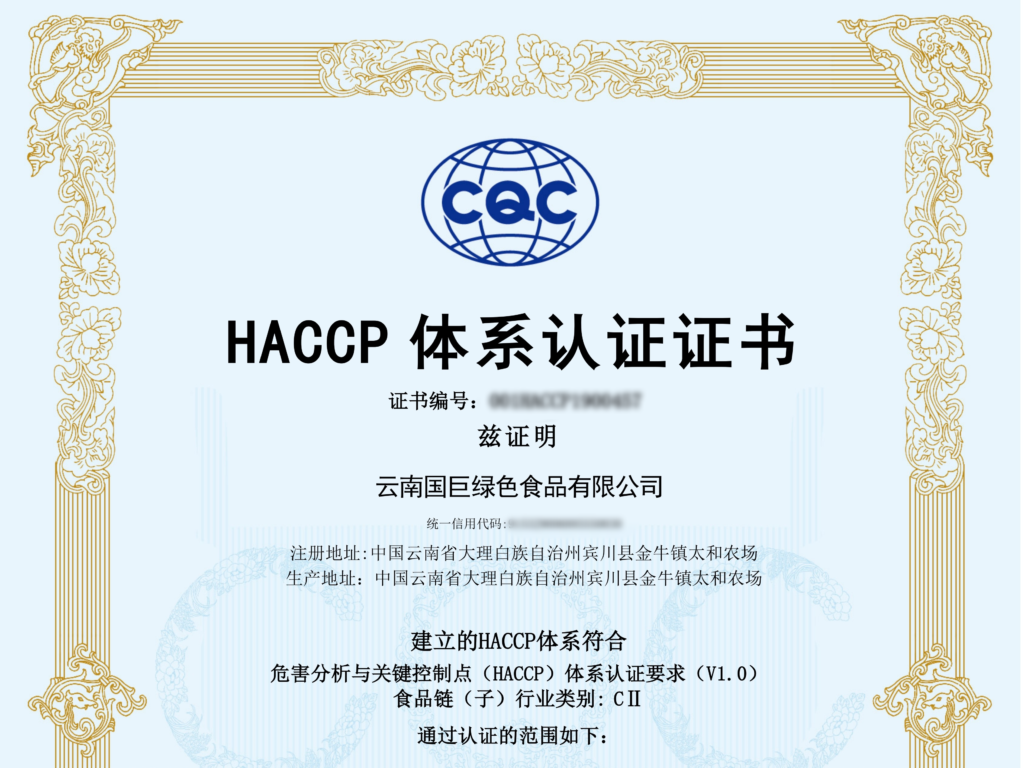
GuoJu Foods operates its own production facility, Yunnan GuoJu Green Food Co., Ltd. Our facility maintains HACCP and ISO 22000 certifications for all green onion products. For other categories, we audit our partner factories on-site before approving them for export.
Once we confirm certifications, we match the supplier’s physical specifications to your requirements. We handle the compliance so you can focus on your business.
13. Need Certification Documentation?
We provide global buyers with up-to-date copies of HACCP and ISO certificates. We also coordinate third-party testing through SGS or CTI. Our team ensures you receive a full export document package with every order.
👉 Contact our team for certification documentation and audit reports
FAQ
What is the minimum certification I need?
HACCP and ISO 22000 are the baseline requirements. Most export-capable suppliers hold both. However, European retail buyers should also demand BRC certification to meet local standards.
Is a supplier COA enough?
For routine orders, a supplier COA usually suffices. However, you should use third-party testing for new suppliers or high-value shipments. Labs like SGS provide the most reliable verification.
What does “sulfur-free” mean?
Sulfur-free means the supplier used no sulfite (SO₂) during processing. While sulfites brighten color, they create labeling issues in the EU. Japan also enforces strict sulfite restrictions on imports.
How long does verification take?
You can verify certificate authenticity within 48 hours. Simply contact the issuing body or check their online database. Never accept a PDF copy without checking the official registry.
What if documentation is missing?
Missing paperwork leads to customs holds. These delays can last weeks and cost hundreds of dollars in daily port fees. Therefore, always verify the document package before the ship leaves China.