
Shelf Life, Storage, and Transportation of Dehydrated Vegetables: Complete Guide
For buyers of dehydrated vegetables, product quality does not end at production.
As a result, shelf life, storage, and transportation all affect product performance after shipment.
In addition, these factors directly influence supply stability and total cost.
Therefore, understanding them helps buyers manage inventory more efficiently.
In this guide, we explain how to handle dehydrated vegetables in global supply chains.
Typical Shelf Life of Dehydrated Vegetables
Dehydrated vegetables usually offer a long shelf life when stored correctly.
In most cases, shelf life ranges from 12 to 24 months depending on moisture level and product type.
Because moisture is removed during processing, microbial activity slows down.
As a result, dehydrated vegetables remain stable without refrigeration.
👉 Learn how moisture affects shelf life
Factors That Affect Shelf Life
Although dehydrated vegetables are stable, several factors still influence shelf life.
Therefore, buyers should pay close attention to storage conditions.
- Moisture content
- Packaging quality
- Storage temperature
- Exposure to air and light
Because of these factors, working with a reliable supplier helps reduce long-term risk.
Proper Storage Conditions
Proper storage is essential to maintain product quality.
In general, dehydrated vegetables should be stored in a cool and dry environment.
Recommended conditions include:
- Temperature below 25°C
- Humidity below 60%
- Sealed packaging
- Clean and odor-free warehouse
As a result, products maintain color, flavor, and rehydration performance.
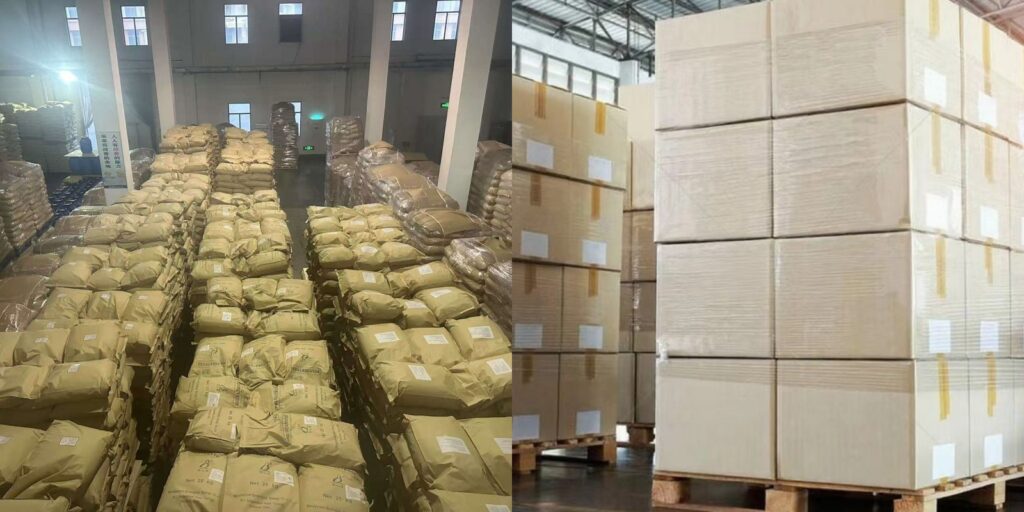
Transportation of Dehydrated Vegetables
Transportation is one of the key advantages of dehydrated vegetables.
Because they do not require cold chain logistics, they are easier to ship globally.
As a result, transportation costs are lower compared to fresh vegetables.
- Sea freight
- Truck or rail
- Standard containers
However, moisture protection during shipping remains critical.
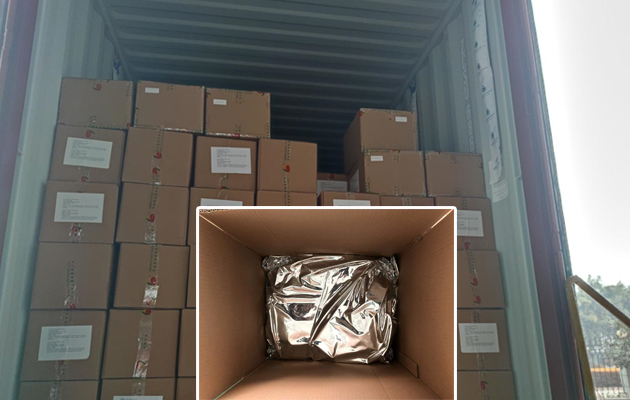
Packaging and Moisture Protection
Packaging plays a key role in protecting products during transportation.
Professional suppliers use food-grade inner liners and moisture-resistant materials.
- PE inner bags
- Kraft paper bags with liners
- Export cartons with palletization
In addition, desiccants help reduce humidity risk during long-distance transport.
👉 Learn about bulk packaging and logistics
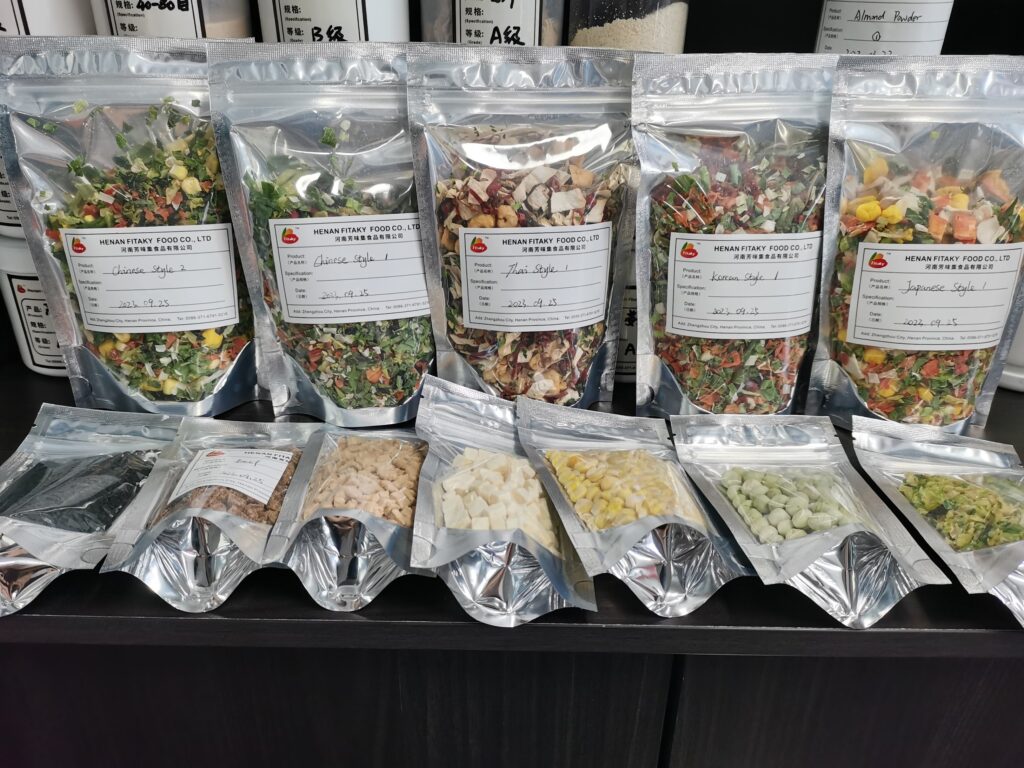
Why Storage and Transportation Affect Cost
Storage and transportation directly influence total sourcing cost.
For example, poor storage may cause quality loss.
In addition, unstable delivery increases operational pressure.
Therefore, experienced buyers evaluate more than price.
- Shelf life stability
- Storage efficiency
- Delivery consistency
Because of this, better planning reduces hidden costs.
How Reliable Suppliers Support Logistics
Reliable suppliers provide more than products.
They also offer storage guidance and stable logistics support.
As a result, buyers can manage supply more effectively.
👉 Learn how to choose a reliable supplier
Storage Needs for Different Applications
Storage requirements vary depending on the application.
For example, seasoning manufacturers may store products longer.
However, ready-meal producers often require faster turnover.
Our Storage and Logistics Support
At Yunnan Guoju Green Food Co., Ltd., we provide full logistics support.
In addition, we help buyers manage inventory and supply planning.
- Shelf life documentation
- Standard export packaging
- Moisture protection solutions
- Stable delivery planning
As a result, buyers can maintain consistent supply.
Contact Us
If you need support for storage or transportation, our team is ready to help.